Santa’s Chimney Checklist
A Homeowner’s Field Guide
For centuries, Santa and chimney safety have been quietly connected.
But before the red suit… before the sleigh… I was a chimney sweep. I climbed roofs for a living.
On the next few pages, I will walk you through a chimney the same way I did for years; calmly, focused, and without sales pressure.
By the end, you will understand the different chimneys, how chimneys work, where they fail, and how to make informed decisions about your own.
This page exists to teach homeowners how a chimney works in a calm, clear, non-sales way while positioning me as an expert storyteller with real field experience.
What Is A Chimney?
It is the quiet heart of a home.
Chimneys vent fireplaces, wood stoves, furnaces, boilers, and water heaters. They carry heat, flue gases, and the byproducts of combustion safely up and out of the house so families can stay warm below.
Some have stood strong for two hundred years. Others begin to fail from poor construction, water infiltration, freeze and thaw cycles, or simple neglect.
My first career was sweeping and inspecting chimneys, protecting homes from chimney fires and hidden dangers. I learned quickly that no two chimneys are the same. Each was built to last, but all require maintenance.
Even chimneys only thirty or forty years old can need significant repair if small problems go ignored.
Understanding your chimney is the first step toward keeping it safe for the next generation.
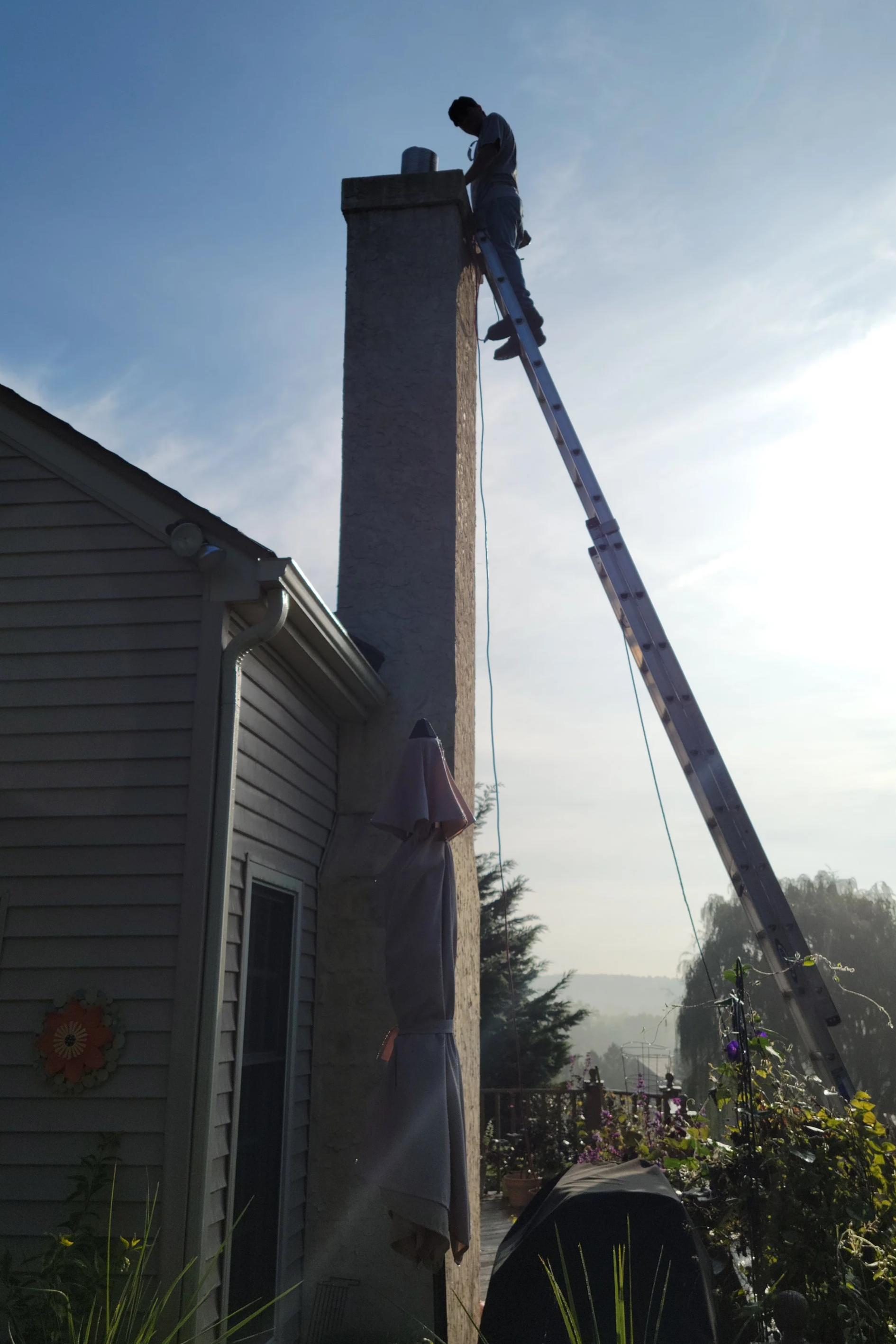
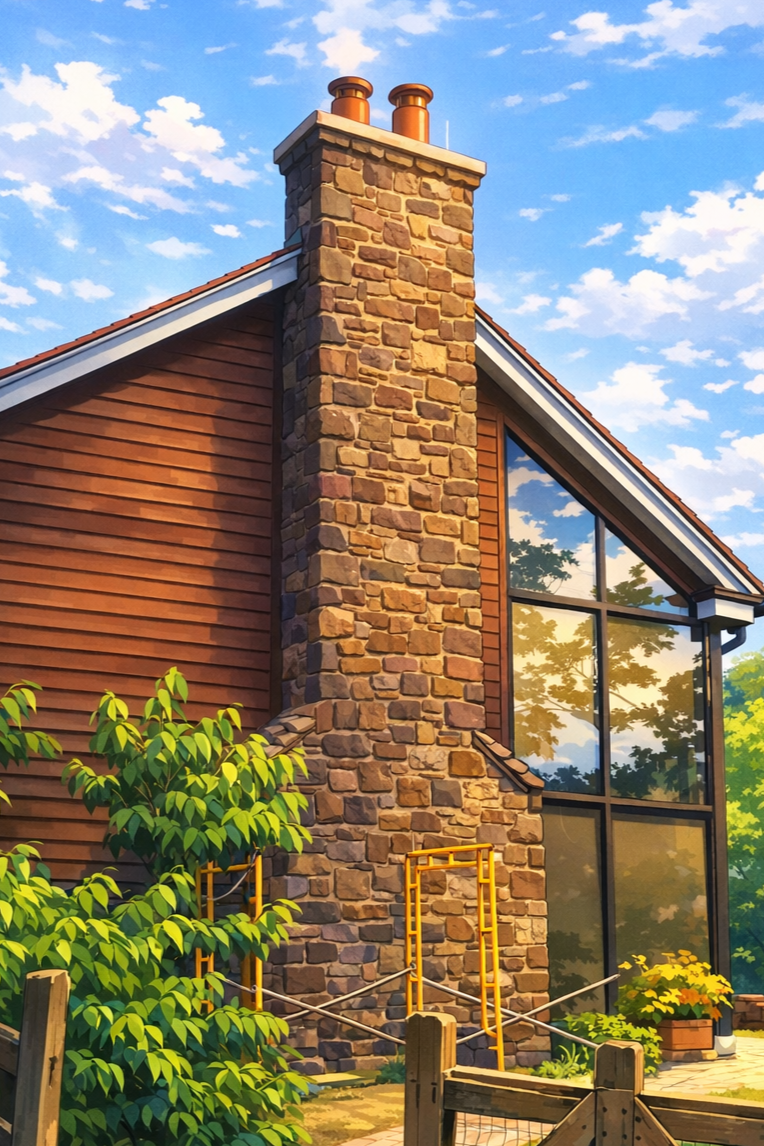
Every chimney tells its story before I ever step onto a roof.
You can learn a lot just by looking. Is it masonry… or factory built?
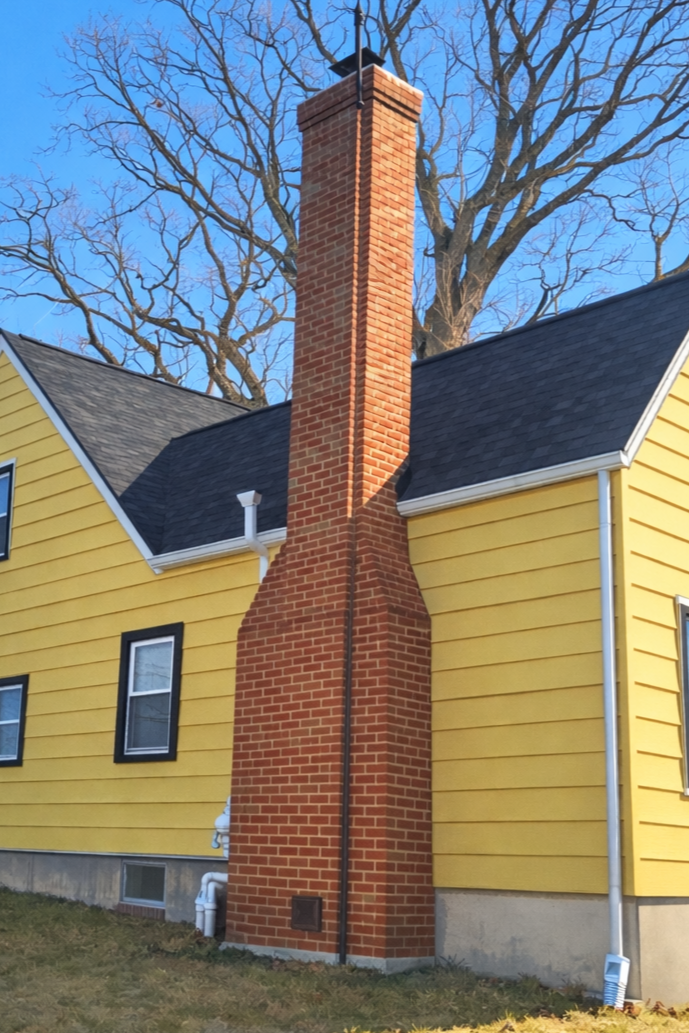
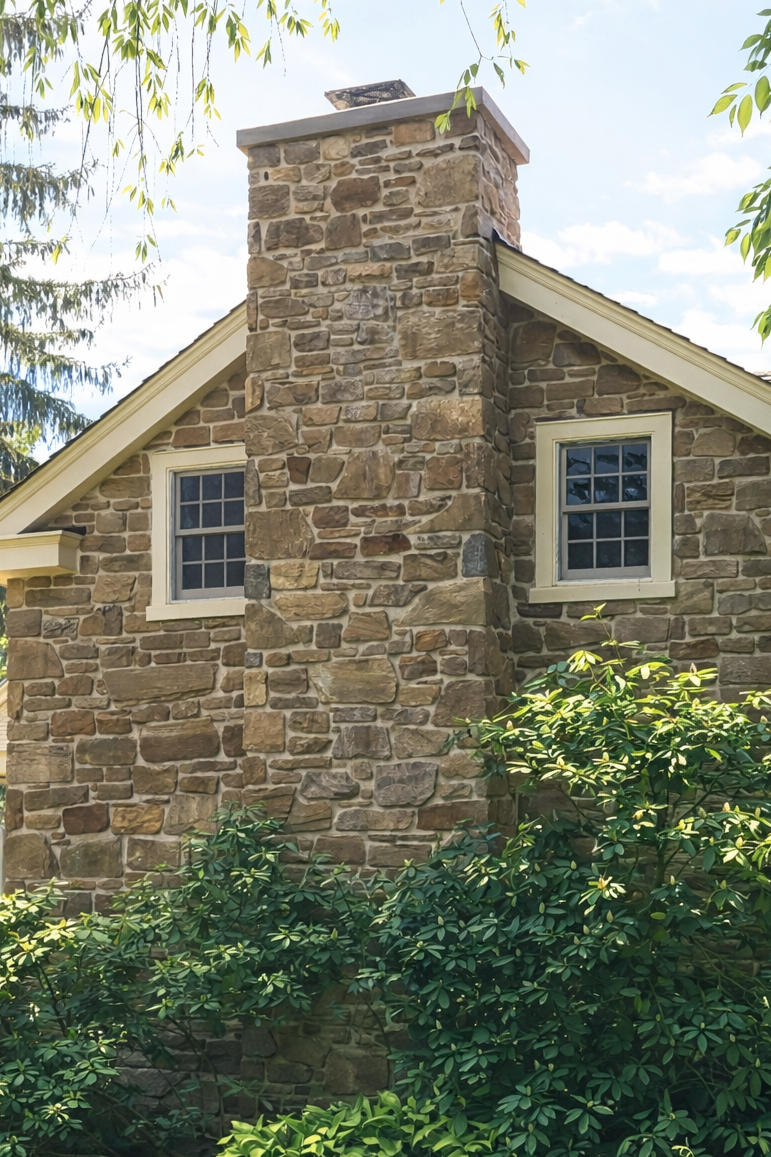
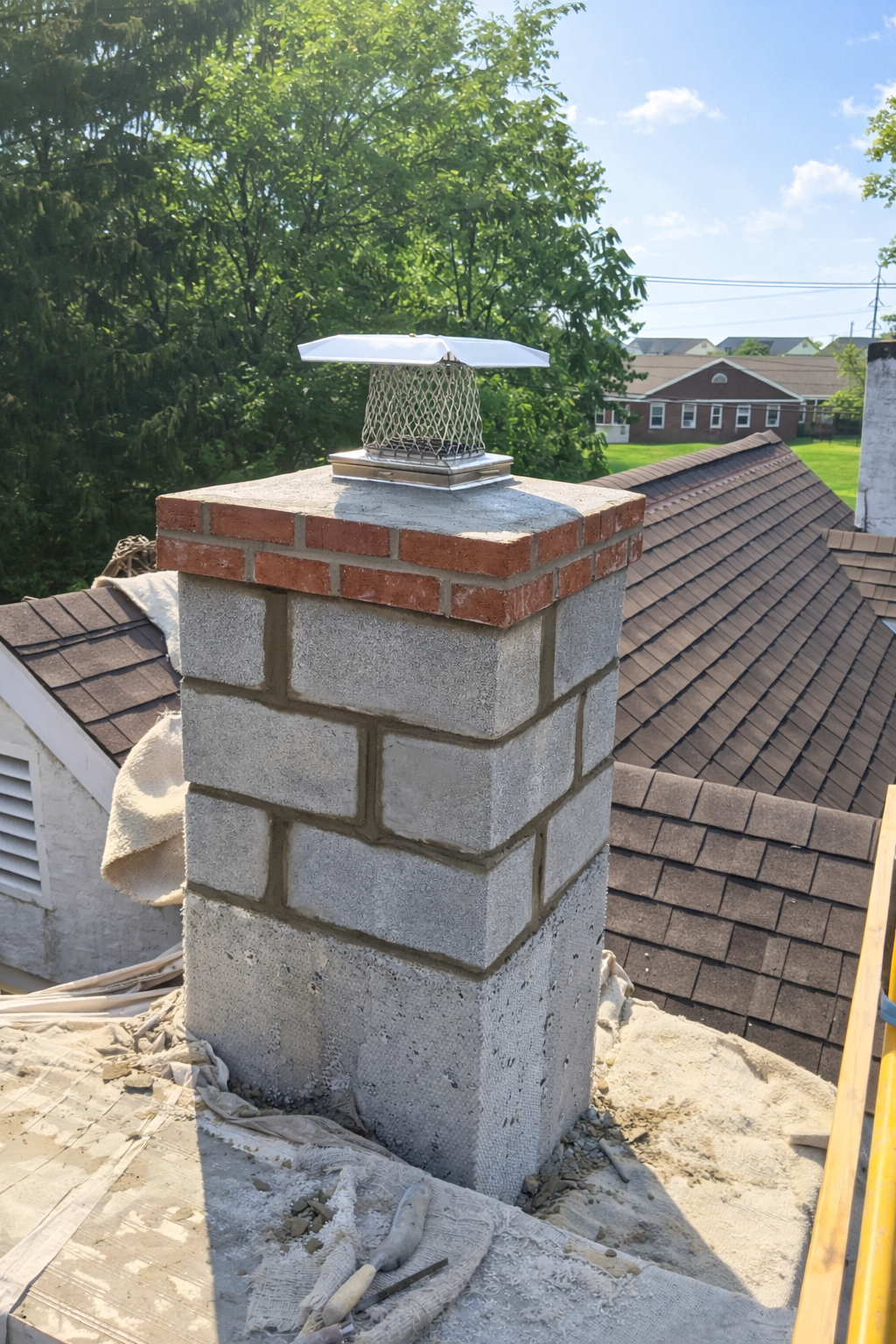
Masonry Chimneys
Built from brick, stone, or block. Often lined with clay, terra cotta flue tiles. These are common in older homes and can last many decades when they are built and maintained properly.
Factory Built Chimneys
A metal chimney system, often called a prefabricated fireplaces. Also can be Class A chimney system. These are engineered systems installed with fireplaces or heating appliances. They must follow strict manufacturer specifications.
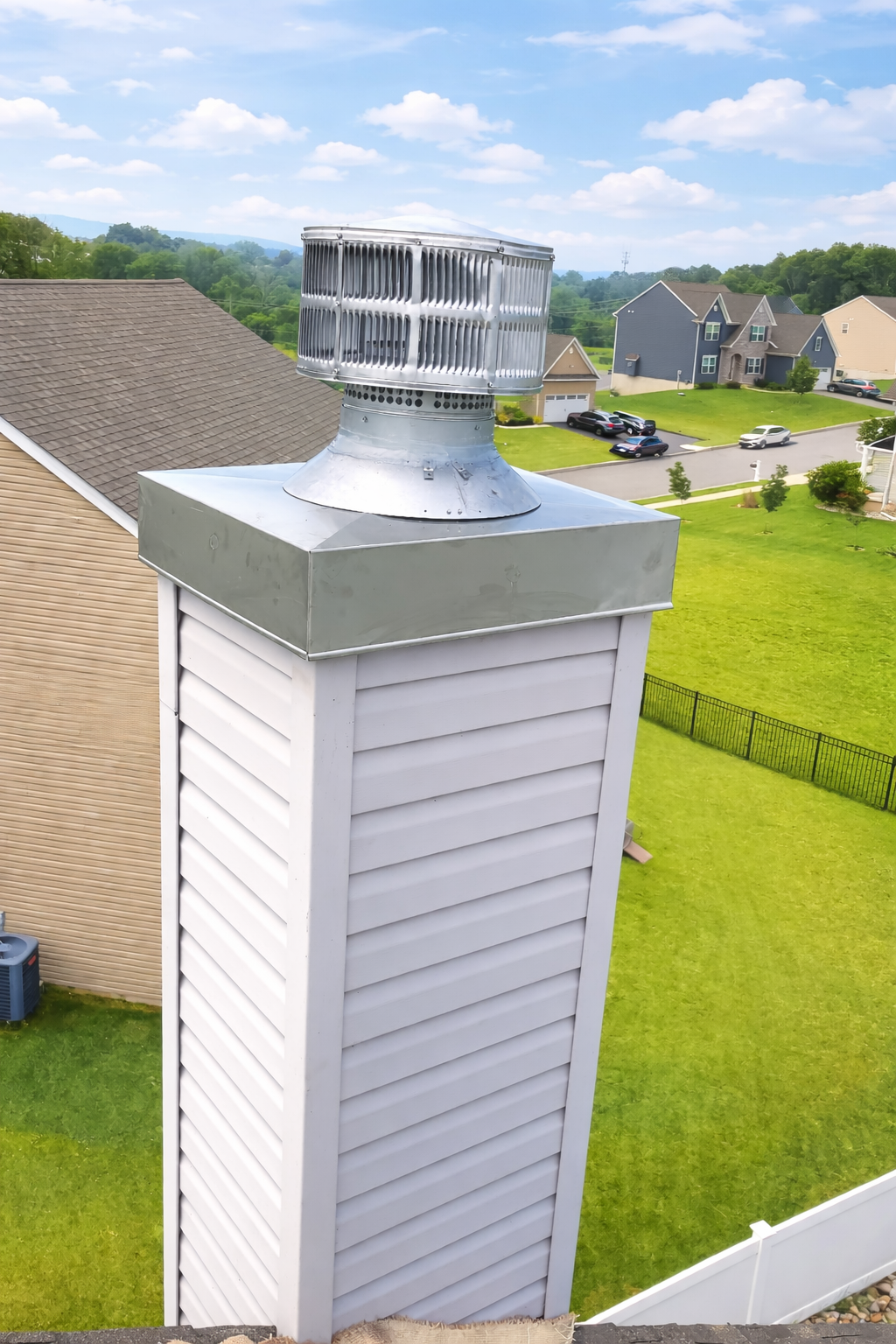
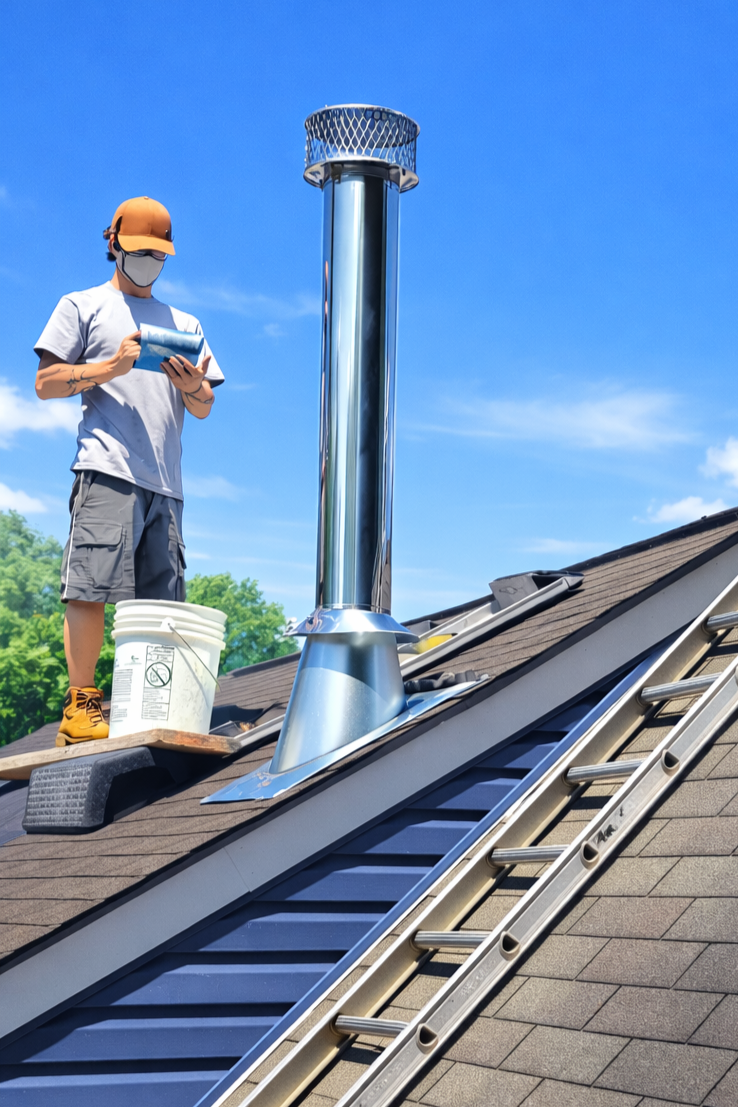
Why this matters: A masonry chimney is inspected differently than a factory built system. The material, clearances, and specified used are not all the same.
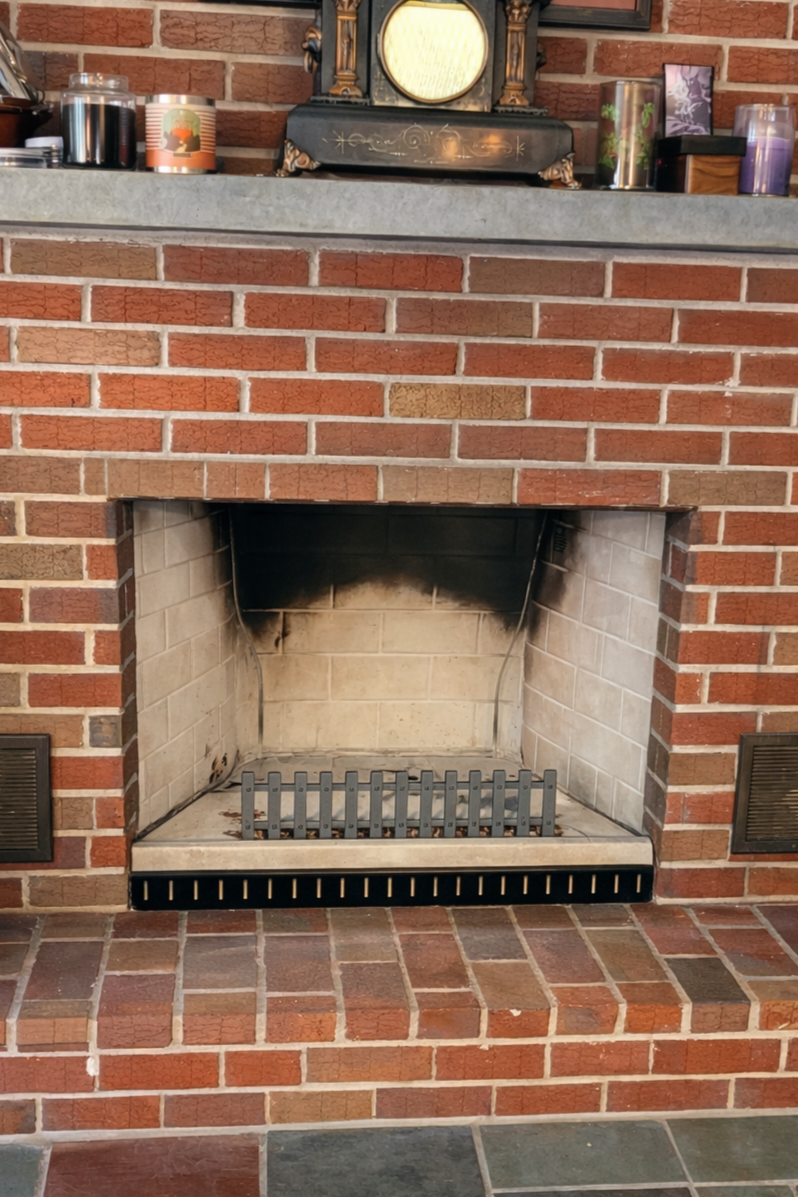
A Fireplace:
Is The Chimney Interior or Exterior?
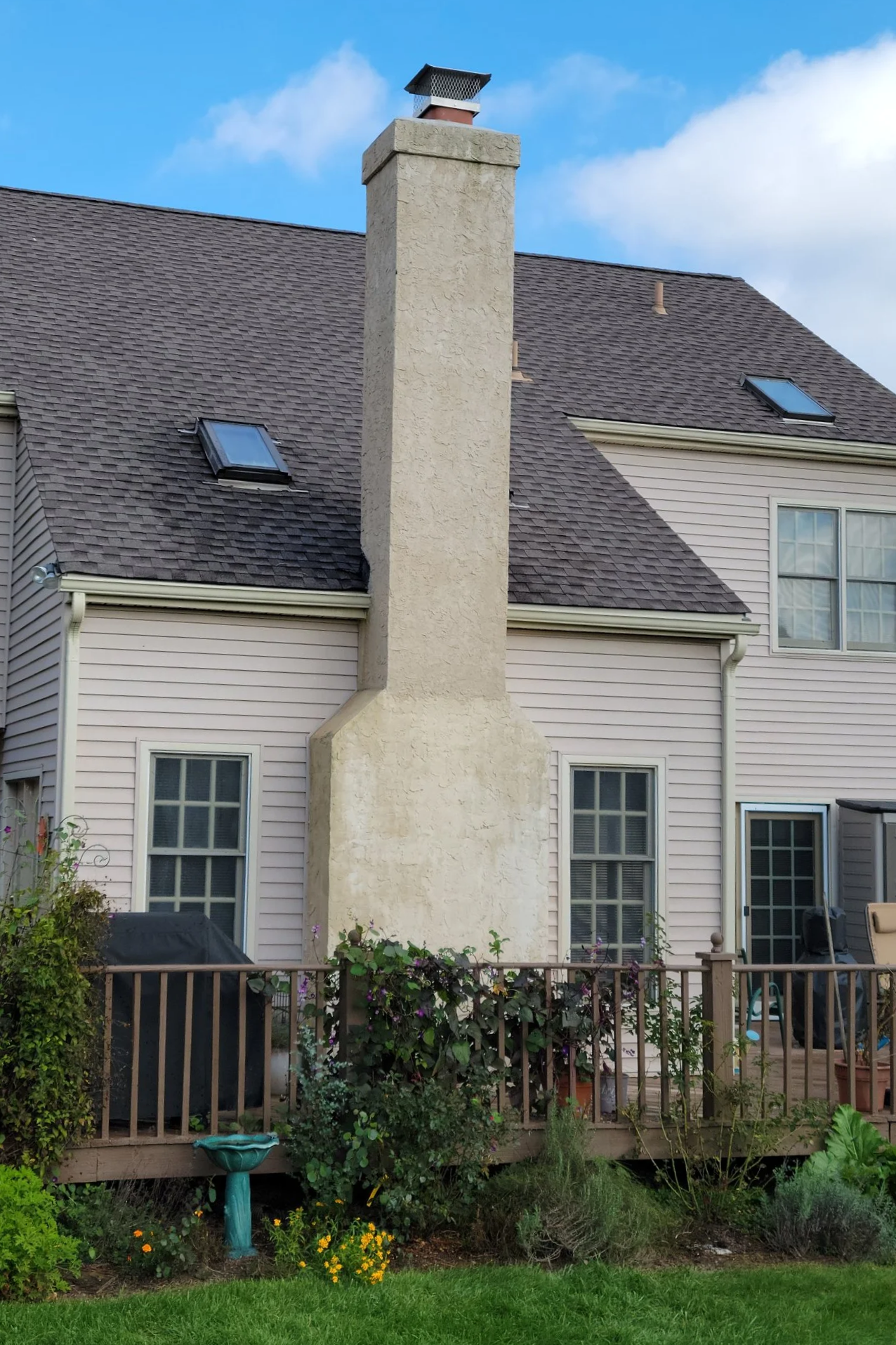
Is it standing outside in the cold… Or rising through the center of the home?
An interior chimney runs through the center of the home and stays warmer because it is surrounded by heated living space. Warm chimneys draft better because hot air rises easily through a warm flue.
An exterior chimney sits outside the house and is exposed to cold weather. The flue stays colder, which can weaken draft and allow creosote to build more quickly.
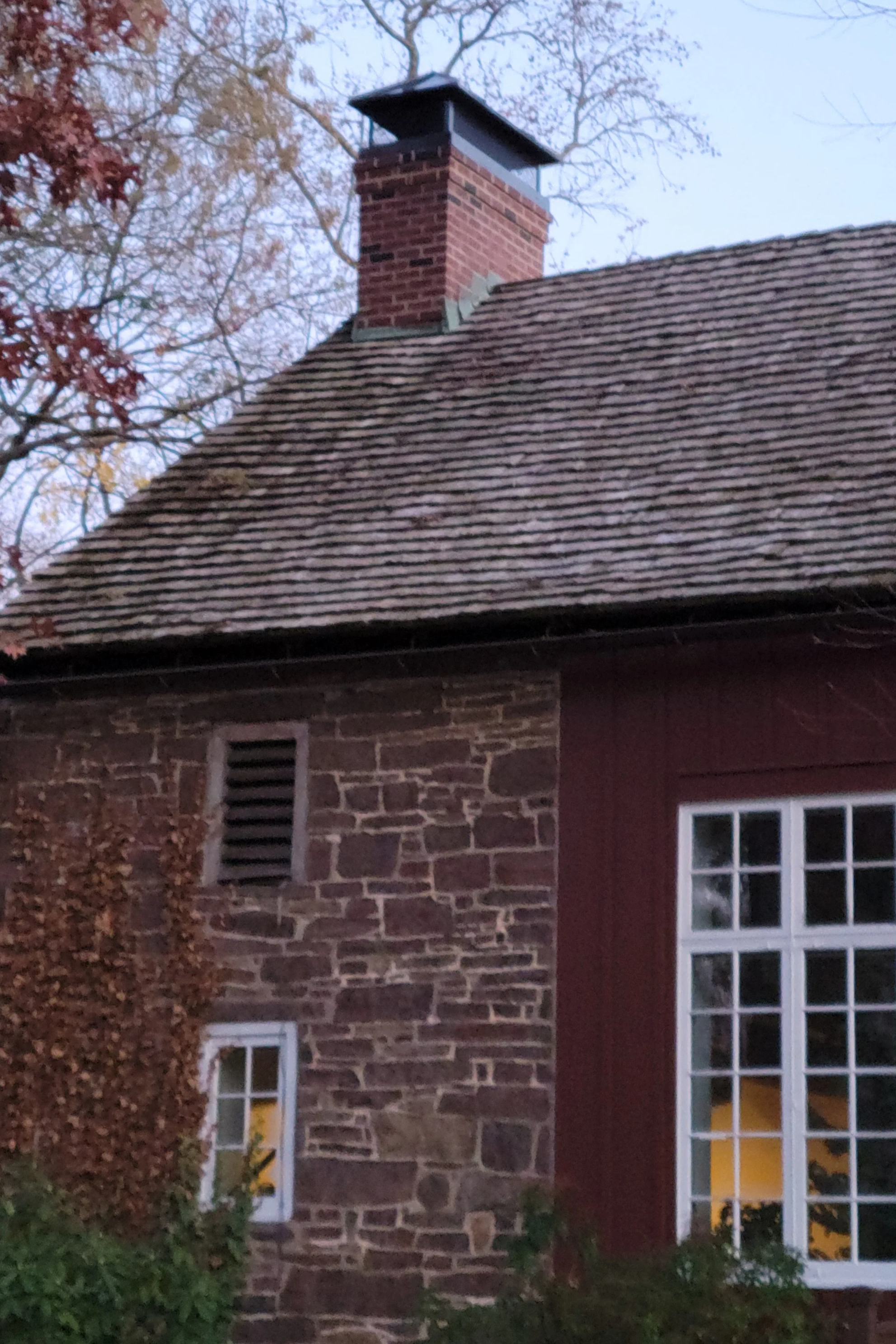
In simple terms, warm chimneys work easier than cold ones.
How Many Flues?
How many appliances does it serve?
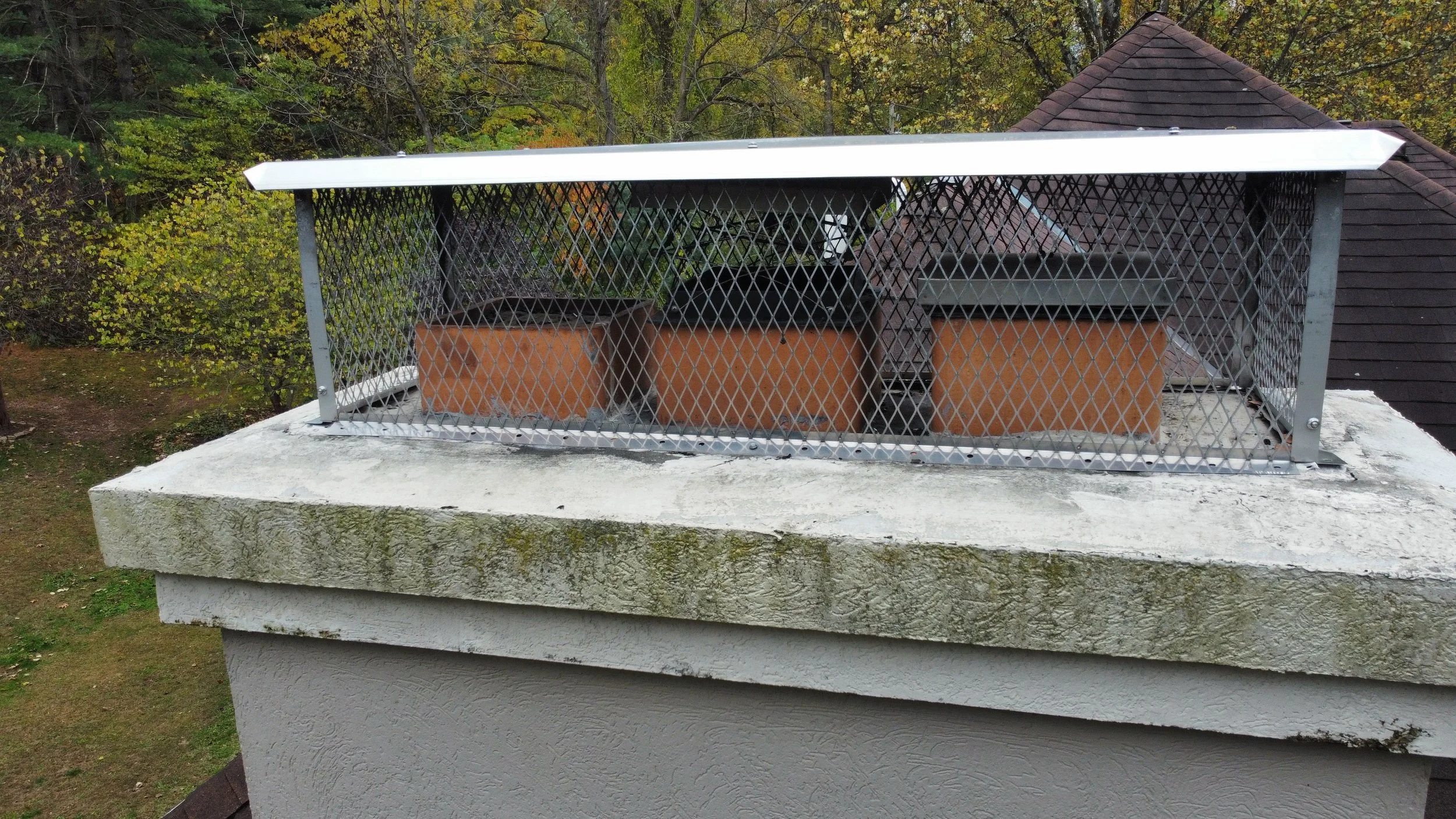
Many chimneys serve just one appliance or fireplace. However, a chimney structure can contain multiple flues or separate passageways serving different appliances?
Each flue may serve one of the following:
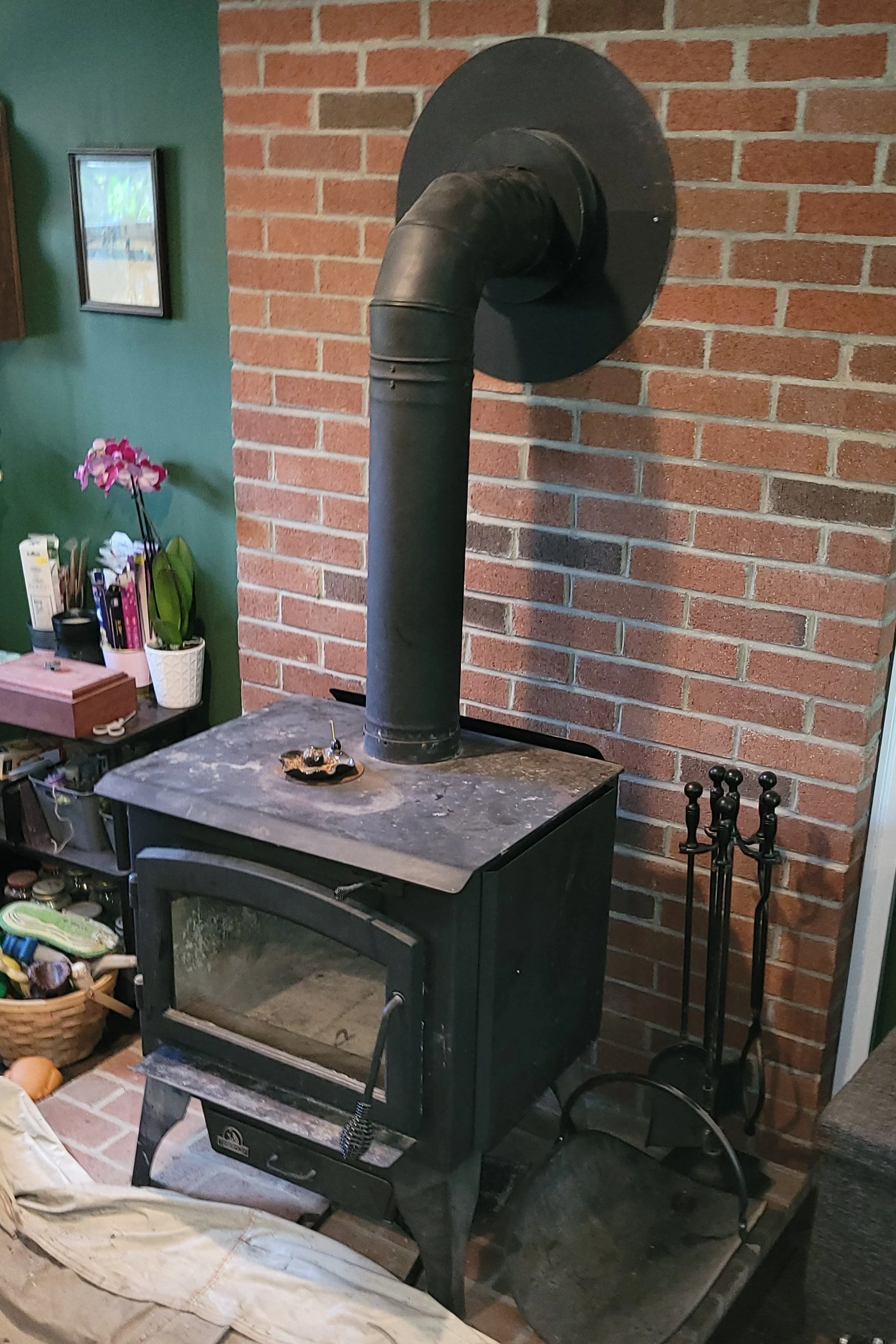
A Woodstove:
An Oil Boiler:
A Gas Furnace:
As a general rule, one flue should serve one solid-fuel appliance.
Wood-burning fireplaces and stoves need their own flue. Oil and gas appliances may share a flue if the chimney is properly sized and maintained.
A Water Heater:
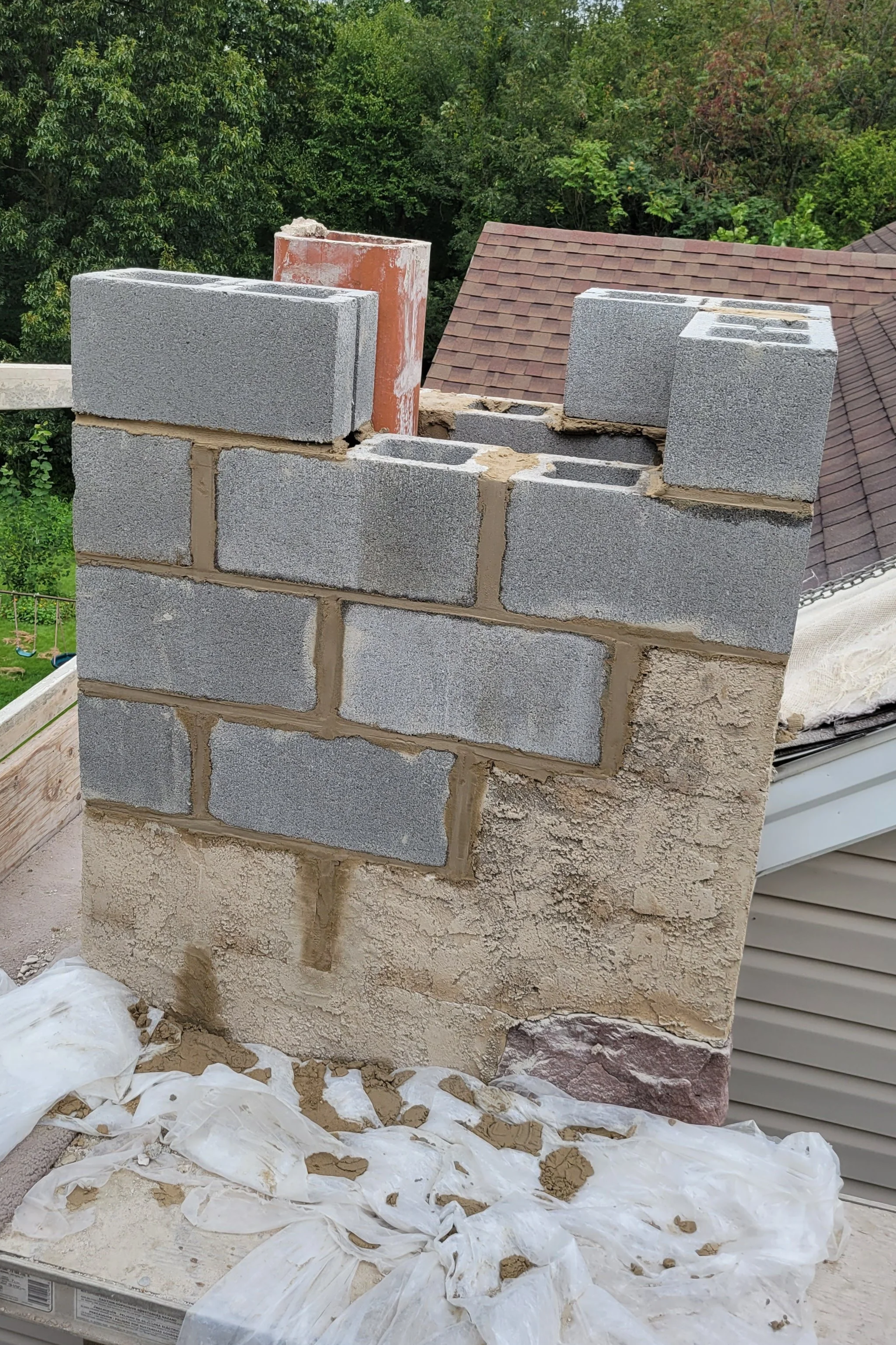
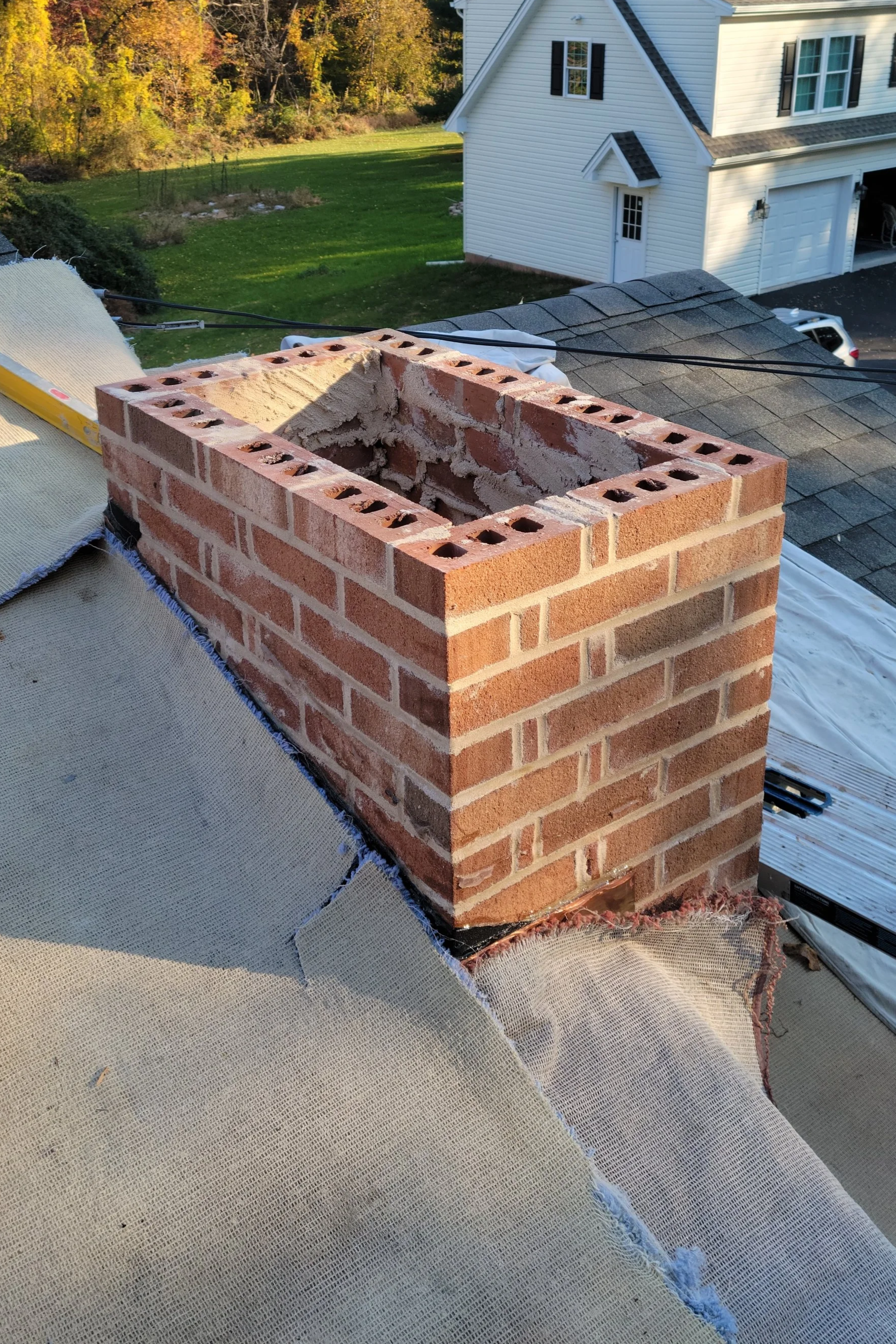
What Is The Chimney Built From?
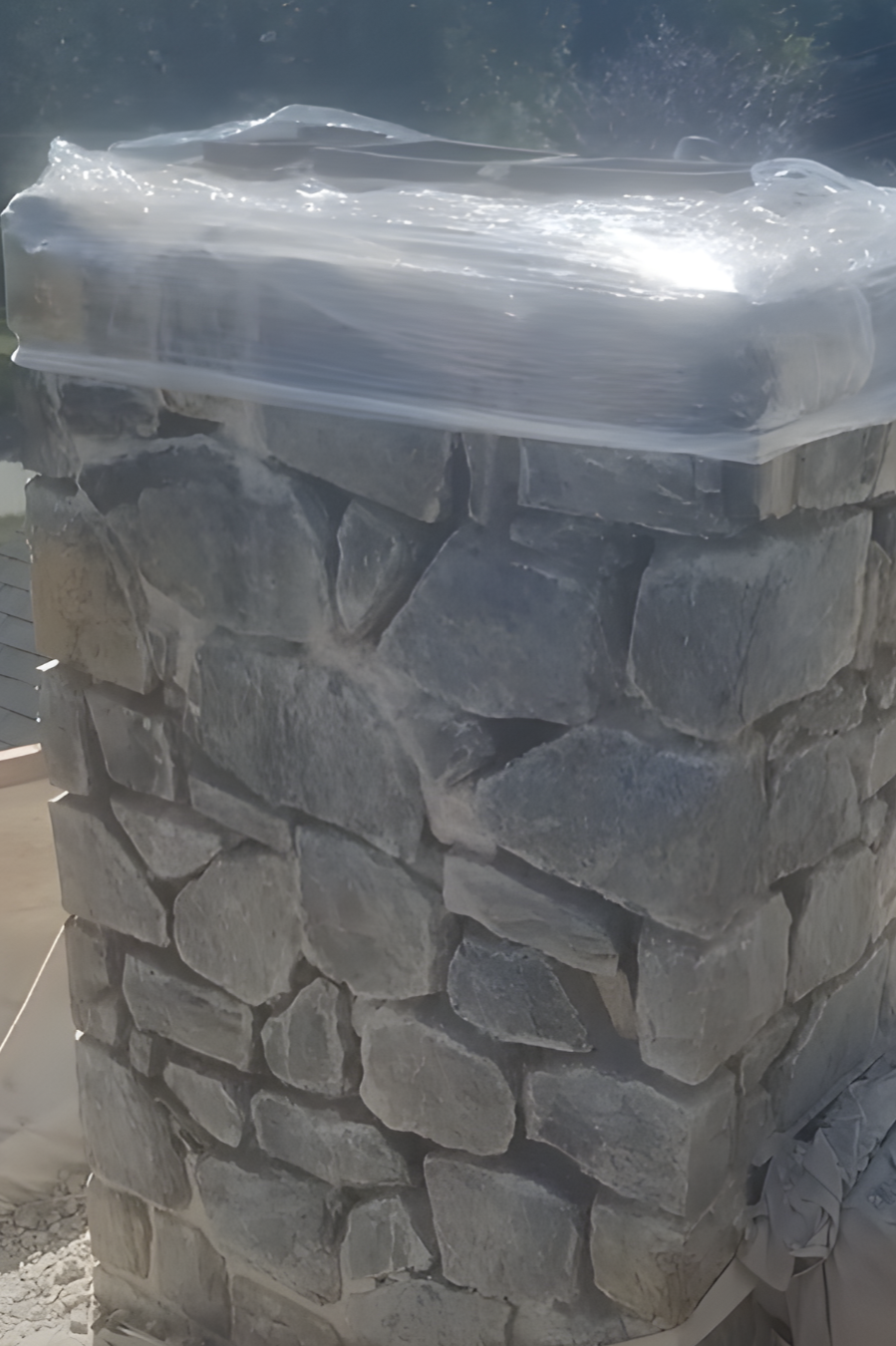
Stone
Concrete Crown
Brick
Mortar Splay
Masonry Block
Open to Elements
Wood framed w/Siding